How to Launch a Pilates Studio in 6 Essential Steps

Most studio launches do not fail on passion. They fail on sequence: signing a lease before the numbers exist, ordering equipment before the format is decided, opening the doors before anyone is on the schedule. The six steps below are ordered deliberately. Each one makes the next cheaper and less risky.
1. Choose the model before anything else.
Group reformer, boutique private, clinical, or hybrid. This single decision sets your equipment count, your square footage, your pricing ceiling and your instructor plan. A group format needs six to twelve reformers and sightlines; a private studio needs two or three machines and acoustics. Every dollar downstream depends on this choice, so make it first and in writing.
2. Run the numbers before the lease.
Rent, instructor pay per class, class capacity, realistic fill rates and your price per seat. Model your break-even month before you commit to a space, not after. If the model only works at 90 percent fill, it does not work. A studio that pencils at 60 percent fill has room to breathe and money to market.
3. Pick the space to fit the model.
Ceiling height, column placement, floor load and parking matter more than the neighborhood's glamour. A group reformer floor wants clear sightlines from a single teaching position. Walk the space with your reformer dimensions on paper, including the walkways between machines, before you fall in love with it.
4. Order equipment against your real timeline.
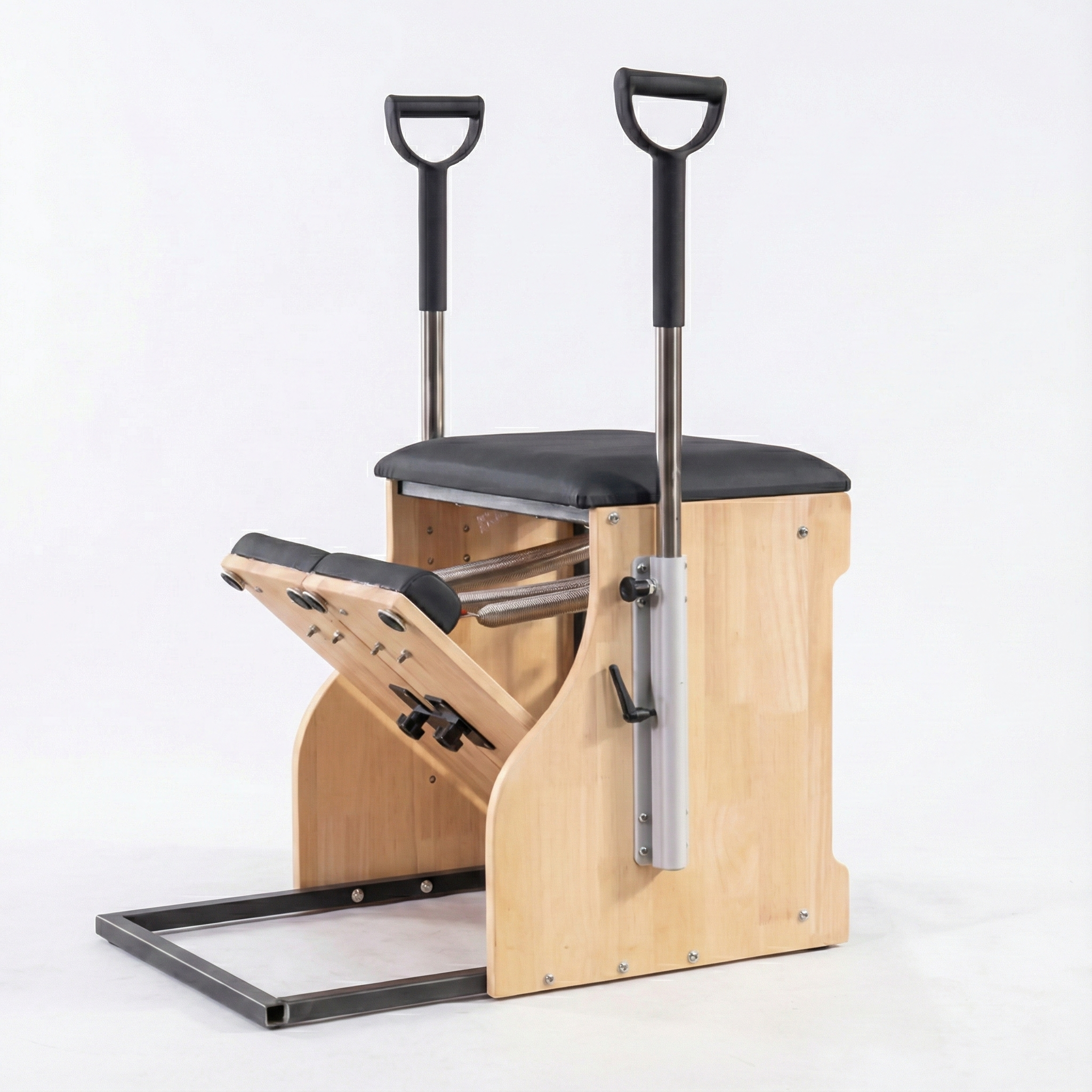
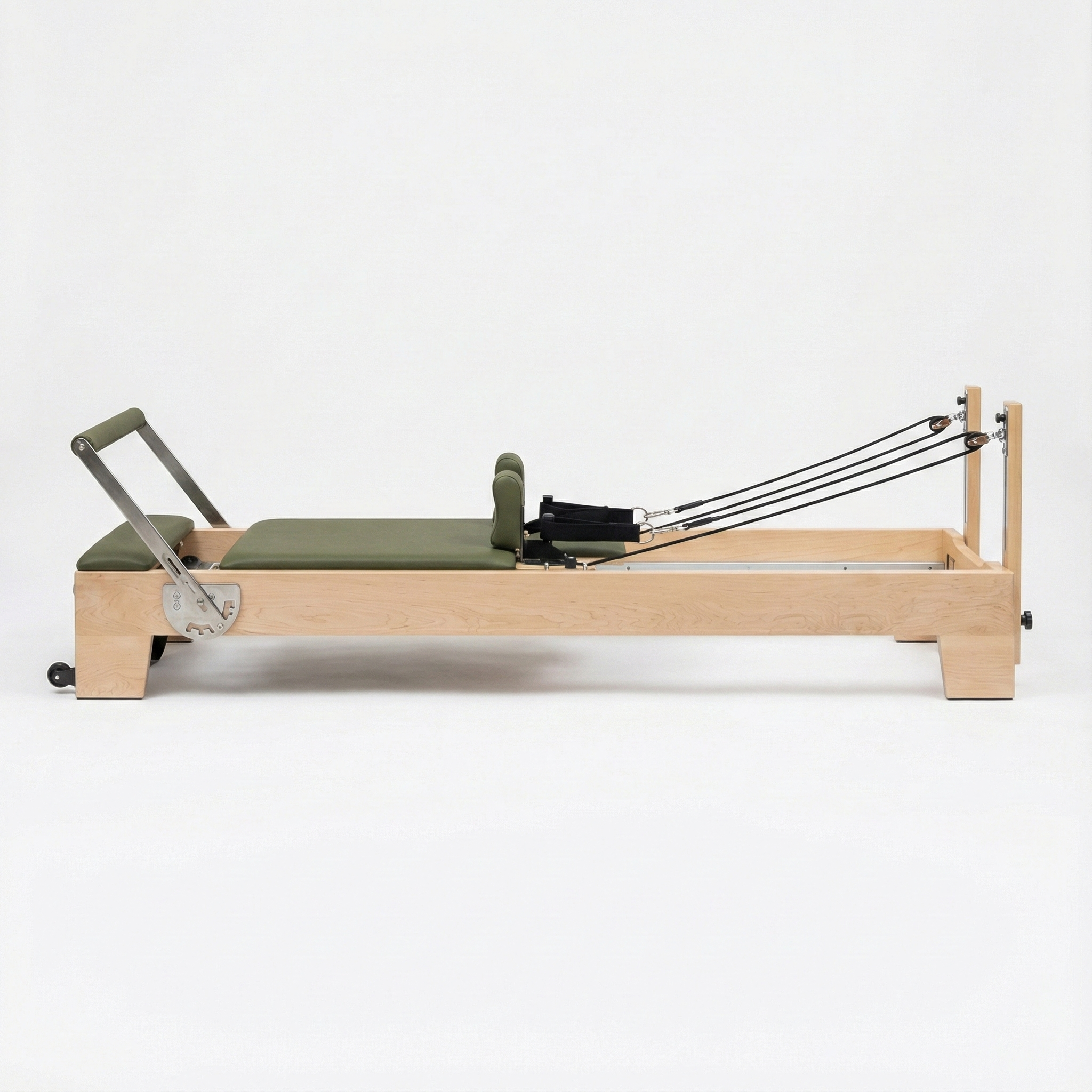
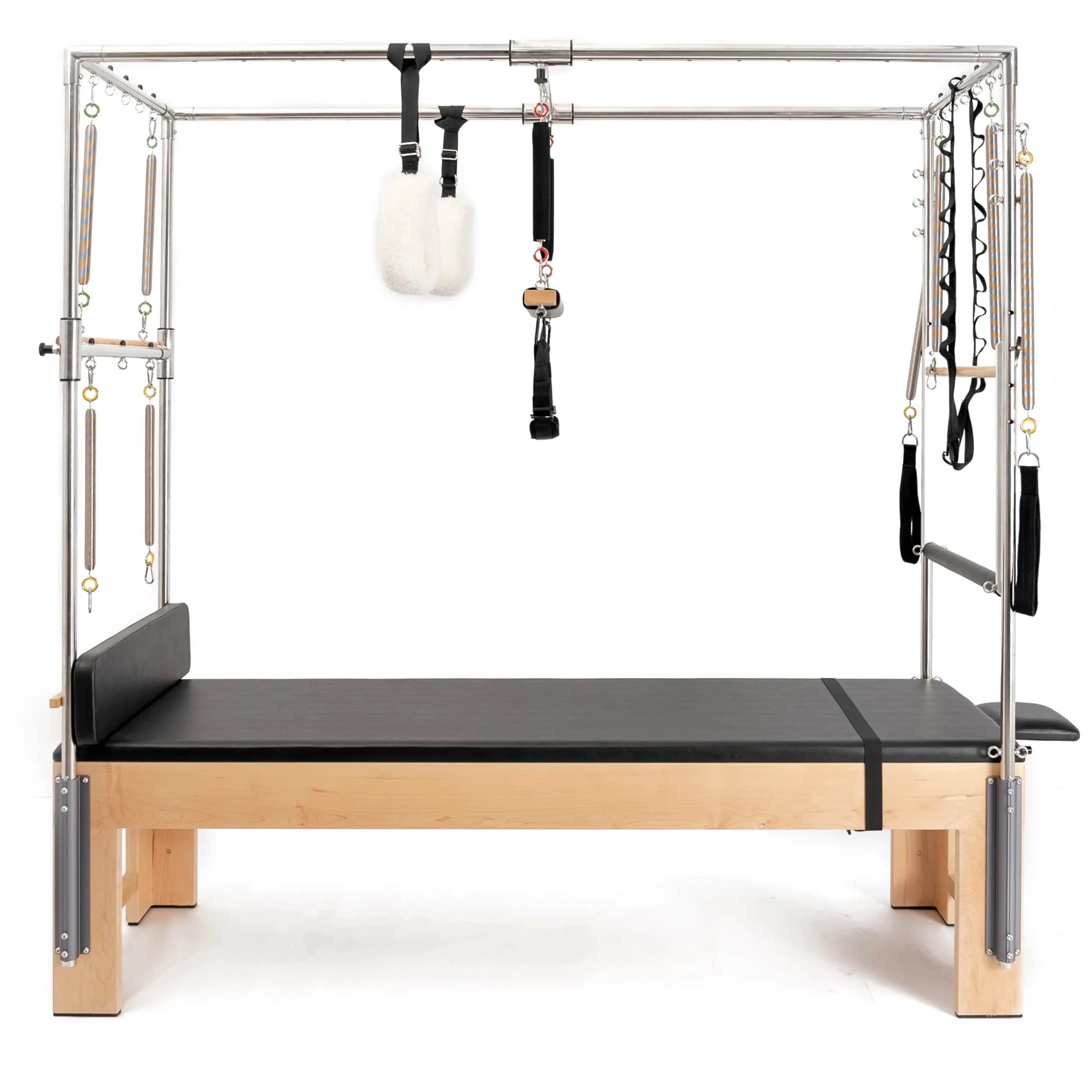
Custom-built equipment carries a lead time measured in weeks, not days. Order against your buildout schedule so the machines arrive as the paint dries, not three months after opening. This is also the moment to decide what your equipment says about you: the room is the first thing every prospective client photographs.
5. Pre-sell before you open.
Founding memberships, a waitlist, an opening-week schedule people can book into before the doors open. A studio that opens to a schedule half full has already survived its most dangerous month. A studio that opens to an empty calendar starts discounting in week two, and discounting is a hard habit to quit.
6. Open a boring week one.
Do not launch every format at once. Run your core class, on your core schedule, taught to the standard you documented. Add formats after the room runs itself. Opening week should be operationally boring and photographically beautiful.
- Model first, lease second. The order of decisions is the budget.
- Break-even at a fill rate you can actually hit in month three.
- Equipment ordered against the buildout timeline, not after it.
- Pre-sell the calendar. Open half full, not hopeful.
The one-page cheatsheet, plus the Studio Library.
This article as a one-page reference, with the four guides we hand every new studio partner: pricing strategy, the launch playbook, the $35K of mistakes, and your studio aesthetic. Sent once, instantly.
Instant delivery. No drip campaign. Studio owners also get the live ROI calculator.